



Backup systems in cars used to feel futuristic, but now they show up in almost every new model. It might surprise you to learn that more than half of all new vehicles sold in the US now come with backup cameras as standard equipment. The real shock is, these systems are not just for parking anymore. They have quietly become one of the top defenses against accidents, insurance headaches, and even crime.
Table of Contents
- What Are Backup Systems In Vehicles?
- Why Backup Systems Matter For Vehicle Owners
- How Backup Systems Enhance Vehicle Security
- Key Concepts Behind Vehicle Backup Systems
Quick Summary
| Takeaway | Explanation |
|---|---|
| Backup systems enhance reversing safety. | These systems use cameras and sensors to provide real-time information, reducing the risk of collisions while reversing. |
| Financial protection from backup systems is significant. | Backup systems can lower the potential costs of accidents, including insurance claims and vehicle repairs. |
| They protect vulnerable populations effectively. | Backup systems help prevent accidents involving children and pedestrians, who are often hidden in blind spots. |
| Modern backup systems increase vehicle resale value. | Advanced safety features like backup systems are highly valued by prospective buyers, boosting a vehicle’s market appeal. |
| Backup systems provide legal documentation support. | Continuous recording from these systems can serve as evidence in disputes or accidents, offering additional protection for vehicle owners. |
What Are Backup Systems in Vehicles?
Backup systems represent a critical technological advancement in automotive safety, designed to reduce accidents and enhance driver awareness during reversing maneuvers. These sophisticated technological solutions use multiple sensors, cameras, and alert mechanisms to provide drivers with comprehensive visual and audio information about their vehicle’s surrounding environment.
Understanding the Core Technology
At their fundamental level, vehicle backup systems leverage advanced sensor technologies to create a comprehensive safety network around the vehicle. Advanced Driver Assistance Systems research indicates that these systems typically incorporate several key technological components:
- Camera Systems: High resolution cameras mounted on the rear of the vehicle
- Ultrasonic Sensors: Detecting close proximity objects with sound wave technology
- Radar Detection: Identifying moving and stationary objects in the vehicle’s path
These technologies work in concert to provide real time information about potential obstacles, helping prevent potential collisions during reversing.
Safety and Operational Mechanics
When a driver shifts into reverse, backup systems activate automatically, displaying a video feed from rear mounted cameras on the vehicle’s dashboard screen. Simultaneously, ultrasonic sensors scan the immediate area behind the vehicle, generating audible and visual warnings if any objects or movement are detected within a dangerous proximity.
The importance of backup systems extends beyond simple convenience. They represent a critical safety innovation that addresses significant blind spots inherent in traditional vehicle design. Modern backup systems can detect small objects like children’s toys, pets, or low lying obstacles that might otherwise remain invisible to the driver, dramatically reducing the risk of accidental impacts.
By integrating multiple sensor technologies and providing immediate, intuitive feedback, backup systems transform how drivers interact with their vehicle’s immediate surrounding environment, making reversing significantly safer and more predictable.
Below is a table summarizing the primary types of technologies used in vehicle backup systems and their core functions for easier understanding.
| Technology Type | Core Function | Example Use |
|---|---|---|
| Ultrasonic Sensors | Detect close proximity objects using sound wave reflections | Warning when objects are near while reversing |
| Radar Sensors | Identify moving and stationary objects via electromagnetic waves | Detecting cross-traffic while backing up |
| Camera Systems | Provide high-resolution visual documentation and wide-angle view | Displaying live rear footage on dashboard |
Why Backup Systems Matter for Vehicle Owners
Backup systems have transitioned from being luxury features to essential safety components in modern vehicles. Their significance extends far beyond technological novelty, addressing critical safety concerns and providing substantial benefits for vehicle owners across various driving scenarios.
Financial and Insurance Implications
National Highway Traffic Safety Administration research reveals that backup accidents result in significant financial consequences. Vehicle owners face potential expenses related to property damage, medical bills, and potential legal liabilities. Backup systems serve as proactive risk management tools that can prevent these costly incidents.
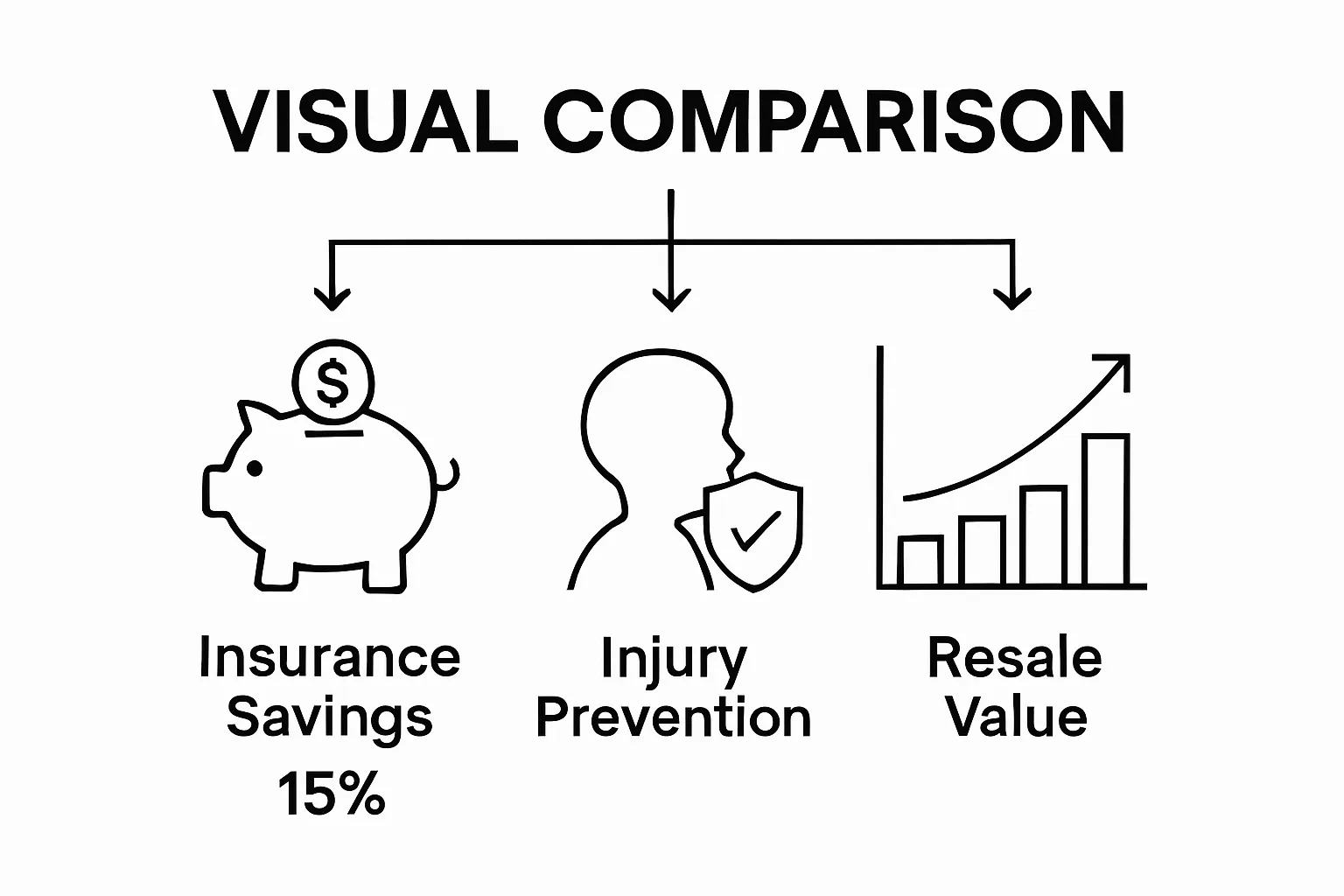
The financial benefits of backup systems include:
- Reducing potential insurance claim costs
- Lowering the risk of accidents in tight parking spaces
- Preventing expensive repair expenses from minor collisions
Safety and Personal Protection
Backup systems provide critical protection for vulnerable populations, especially children and pedestrians. Stationary objects and moving individuals can easily remain hidden in a vehicle’s blind spots, creating dangerous scenarios during reversing maneuvers. These systems act as an additional layer of sensory awareness, compensating for human perceptual limitations.
Statistically, backup accidents disproportionately impact young children. By installing comprehensive backup systems, vehicle owners significantly reduce the potential for tragic accidents. The technology transforms a potentially dangerous maneuver into a controlled, monitored process that prioritizes safety.
Long Term Vehicle Value and Performance
Beyond immediate safety benefits, backup systems contribute to maintaining a vehicle’s overall value and performance. Modern buyers increasingly prioritize advanced safety features when purchasing vehicles. A well maintained backup system signals responsible vehicle ownership and can potentially increase resale value.
Moreover, these systems represent an investment in technological integration, demonstrating a vehicle owner’s commitment to leveraging cutting edge safety innovations. As automotive technology continues evolving, backup systems will likely become standard expectations rather than optional upgrades.
The following table organizes the major benefits of vehicle backup systems for owners, drawing from different sections of the article for greater clarity.
| Benefit Area | Description |
|---|---|
| Financial Protection | Reduces insurance claims, medical bills, and repair costs from backup accidents |
| Safety for Vulnerable Populations | Protects children, pedestrians, and animals by identifying those hidden in blind spots |
| Increased Resale Value | Enhances vehicle market appeal through sought-after safety features |
| Legal and Documentation Support | Provides recorded evidence for insurance claims and legal disputes |
| Long-Term Vehicle Performance Value | Demonstrates responsible ownership and investment in advanced technology |
How Backup Systems Enhance Vehicle Security
Backup systems have evolved from simple technological features to sophisticated security mechanisms that protect vehicles and their occupants in multiple complex scenarios. These systems provide comprehensive protection that extends well beyond traditional parking assistance.

Advanced Monitoring Capabilities
Insurance Institute for Highway Safety research demonstrates that backup systems create a comprehensive security ecosystem around vehicles. Modern backup systems incorporate multiple technological layers designed to monitor and record potential security threats.
Key monitoring features include:
- Real time visual documentation of surrounding environment
- Automatic recording during reversing maneuvers
- Capturing potential security incidents or suspicious activities
Integrated Safety Protocols
Backup systems function as intelligent security networks that go beyond simple obstacle detection. These advanced technologies can recognize and respond to potential security risks by generating immediate alerts and documenting critical environmental details. When unexpected movements or objects are detected, the system triggers comprehensive response mechanisms that help protect both the vehicle and its occupants.
The integration of sensors, cameras, and intelligent software creates a robust security framework that continuously assesses potential risks. This technological approach transforms backup systems from passive safety tools into active security management platforms.
Evidence and Legal Protection
One of the most significant security advantages of modern backup systems is their ability to provide documented evidence during potential legal or insurance scenarios. By continuously recording visual and sensor data, these systems create an objective record of events that can protect vehicle owners in disputes, accidents, or security incidents.
The recorded footage serves multiple protective functions: documenting potential theft attempts, providing clear evidence in accident investigations, and offering a layer of accountability that traditional security methods cannot match. Vehicle owners gain an additional layer of protection that extends far beyond simple parking assistance, creating a comprehensive security solution that leverages cutting edge technological innovations.
Key Concepts Behind Vehicle Backup Systems
Vehicle backup systems represent a sophisticated convergence of multiple technological disciplines, integrating advanced sensor technologies, computational intelligence, and user interface design to create comprehensive safety solutions for modern drivers.
Sensor Technology Fundamentals
SAE International standards highlight the critical role of integrated sensor technologies in backup systems. These technological components work synergistically to create a comprehensive environmental monitoring network around the vehicle.
The primary sensor technologies include:
- Ultrasonic Sensors: Detecting close proximity objects using sound wave reflections
- Radar Sensors: Identifying moving and stationary objects through electromagnetic waves
- Camera Systems: Providing visual documentation and wide angle perspective
Computational Intelligence and Processing
Backup systems are not merely passive recording devices but active intelligent networks that process complex environmental data in milliseconds. The onboard computational systems analyze sensor inputs, compare them against predefined safety parameters, and generate immediate response protocols.
This intelligent processing involves rapid mathematical calculations that determine object distance, potential collision trajectories, and appropriate warning mechanisms. The system continuously updates its understanding of the surrounding environment, creating a dynamic safety network that adapts in real time.
User Interface and Interaction Design
The effectiveness of backup systems extends beyond technological capabilities to include intuitive human interaction design. Modern systems translate complex sensor data into clear, immediately understandable visual and audio warnings that enable drivers to make quick, informed decisions.
User interface elements typically include color coded distance indicators, audible proximity alerts, and high resolution display screens that provide comprehensive environmental context. By transforming raw technological data into user friendly information, backup systems bridge the gap between advanced sensor technologies and practical driver safety.
Upgrade Your Backup Protection With Fuvymyt
Worried that traditional backup systems still miss critical moments or fail when you need them most? You have learned how blind spots, missed alerts, and unreliable storage can put drivers, families, and vehicles at risk. That is why Fuvymyt has created a smarter way to protect what matters. Our next-generation dashcams use PrecisionSync GPS for pinpoint location tracking and TripleShield Save to capture and store every drive automatically. You get protection that never fails you and visual evidence that never goes missing.
Make the switch from standard safety technology to a true protection ecosystem. Visit Fuvymyt now and see how seamless OEM-fit dashcams and lifetime cloud backup bring you total peace of mind. Do not settle for less when it comes to safety. Get started today for confidence on every journey.
Frequently Asked Questions
What are vehicle backup systems?
Backup systems in vehicles are advanced safety technologies designed to improve driver awareness during reversing maneuvers. They utilize sensors, cameras, and alert mechanisms to provide real-time information about the area surrounding the vehicle.
How do vehicle backup systems enhance safety?
Backup systems enhance safety by detecting objects in blind spots and providing visual and audio warnings to drivers, significantly reducing the risk of collisions when reversing. They can identify small obstacles that may not be visible to the driver, such as pets or children.
Are backup systems beneficial for insurance purposes?
Yes, backup systems can help lower insurance claim costs by preventing accidents that could lead to property damage or injury. Their use can demonstrate responsible ownership and potentially lead to lower premiums.
What technologies are used in vehicle backup systems?
Vehicle backup systems typically integrate multiple technologies, including ultrasonic sensors for object detection, radar detection for identifying moving and stationary objects, and high-resolution cameras for providing visual documentation of the vehicle’s surroundings.
Recommended
- Fuvy Pro - Crispy 4K Dash Cam System for Modern Drivers – Fuvy Pro Dashcam
- Best Dash Cam with Night Vision and Motion Sensor for Drivers 2025 – Fuvy Pro Dashcam
- Fuvy Dashcam | 4K UHD, GPS Tracking & AI Safety – Fuvy Pro Dashcam
- Top Dash Cam Benefits Every Driver Should Know in 2025 – Fuvy Pro Dashcam